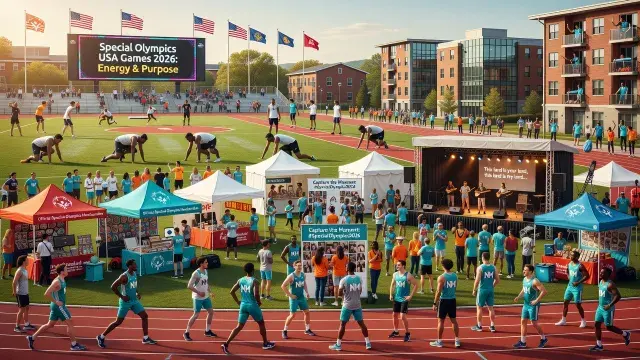
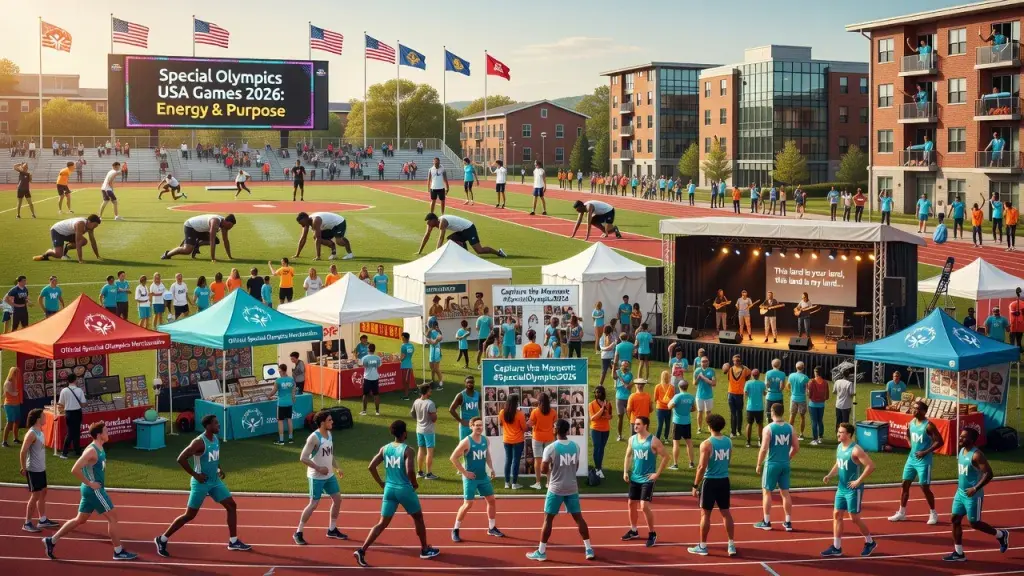
The 2026 Special Olympics USA Games have officially begun in Minneapolis-Saint Paul, bringing hundreds of athletes from across the country together for one of the most meaningful multi-sport events on the American calendar. Spread across the University of Minnesota campus and the National Sports Center, the opening days have set a tone of celebration, competition, and community that has already made its mark on the Twin Cities.
Before competition formally kicks off, athletes have been using the time to settle into dormitory life, walk the venues, and shake the nerves loose in a new environment. It is a familiar ritual in elite sport - reading the ground, feeling the surface, adjusting to surroundings - and here it carries particular weight, because for many of these competitors, this moment will never come again. The atmosphere at venues and around town has drawn comparisons to far larger sporting events, with a buzz that extends well beyond the athlete population. Sports fans who follow everything from athletics to more niche disciplines - some of them regulars checking live futsal odds one evening and a track preview the next - have noted that the energy around the Games feels genuinely electric, the kind that only real competition and real stories can generate.
At the Track and Field Stadium, athletes have been warming up, stretching, and getting their first feel of the track surface ahead of tomorrow's athletics competitions. The mood among competitors is one of focused excitement - serious enough to suggest real ambition, open enough to reflect the inclusive spirit that defines Special Olympics. Among those drawing attention in the pre-competition period are the athletes and coaching staff representing New Mexico, who came away from their final track session visibly confident. Their body language spoke clearly: they are ready, and they intend to compete.
Thrivent Fan Fest Brings the City Into the Games
Away from the competition venues, the Thrivent Fan Fest has served as the social heartbeat of the opening days. Pop-up vendors, interactive activities, a photo booth, and a live music stage have drawn athletes, families, volunteers, and members of the public into shared space, blurring the lines between spectators and participants in the way that Special Olympics consistently manages to do. It is not simply a side attraction - it is a genuine extension of the Games, designed to ensure that the experience reaches beyond medals and podiums.
That inclusivity is one of Special Olympics' defining strengths. Where many major sporting events create distance between competitors and the public, these Games actively pull people closer. The Fan Fest is evidence of that philosophy in action, and the response from the Twin Cities community in these opening days has validated the decision to centre the social programme so prominently alongside the sport itself.
Why These Games Matter Beyond the Track
The scale of engagement in Minneapolis-Saint Paul this week underscores something worth stating plainly: Special Olympics is not a sideshow to mainstream sport. It is a legitimate, high-stakes competition for athletes who have trained with dedication and arrived with genuine competitive intent. The infrastructure supporting these Games - the venues, the athlete accommodation, the fan programming - reflects that seriousness.
For a city like Minneapolis, hosting an event of this scope also carries civic significance. The University of Minnesota and the National Sports Center have hosted major competitions before, but the combination of athletic competition and community engagement that Special Olympics produces is distinctive. As the athletics programme begins tomorrow and the full competition schedule accelerates, the Twin Cities are set to witness a week of sport that will be remembered by everyone involved - especially the athletes who have spent months, in some cases years, preparing for this.