Three years ago, moving a single post on Instagram meant deleting it and re-uploading it - a clumsy workaround that risked losing comments, likes, and reach. That friction quietly shaped how millions of people thought about their profiles: as fixed timelines rather than curated collections. Now that assumption no longer holds, and the shift has sparked a genuine debate among creators, marketers, and everyday users about whether rearranging old posts is a smart use of time or a distraction from actually making content.
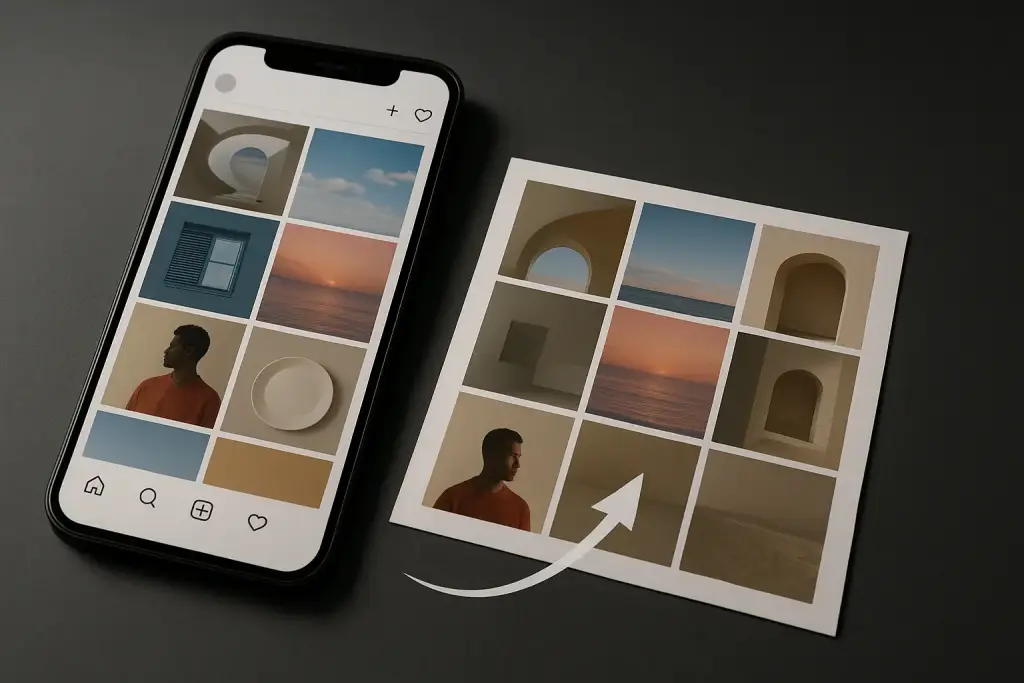
Instagram grid reordering refers to the ability to change the visual sequence of posts on a profile without deleting or reposting them. Instead of being locked into a chronological feed, users can now drag existing photos and videos into new positions, building a grid that tells a different visual story than the one created by posting dates alone. This one feature has changed how people plan their content calendars, how brands present their catalogs, and how influencers manage their public image.
Naturally, a well-arranged grid means little if nobody visits the profile to see it. That's why many creators pair visual planning with growth tactics, including services that help them boost instagram account free, so a newly reorganized feed actually reaches fresh eyes instead of sitting untouched. The rest of this piece walks through what grid reordering actually does, how it works in practice, whether it's worth the effort in 2026, and what recent platform news suggests about its future.
Instagram Grid Reordering: What Is It
At its core, instagram grid reordering is a profile management feature that lets users rearrange the order in which posts appear on their public grid. Traditionally, Instagram displayed content in strict reverse-chronological order - the newest post always sat in the top-left corner, pushing everything else down and to the right. Grid reordering breaks that rule. A photo posted a year ago can now sit at the very top of a profile, while last week's post can be tucked several rows down.
The feature works through a simple interface: users open their profile, enter an editing mode, and drag individual posts into new grid positions. No captions are lost, no comment threads are reset, and follower counts on individual posts remain untouched. The change is purely visual and structural - it alters how the grid looks to visitors without touching the underlying data tied to each post.
This distinction matters. Before reordering existed, achieving a specific aesthetic - alternating colors, a checkerboard pattern, a themed sequence - required either meticulous advance planning or the willingness to delete and repost content, sacrificing engagement history in the process. Reordering removes that trade-off entirely, which is precisely why it gained traction so quickly among people who treat their profile as a portfolio rather than a diary.
Instagram Grid Reordering Explained: How the Feature Actually Works
Understanding the mechanics helps clarify why this feature changed profile strategy so significantly. When a user reorders their grid, Instagram separates two things that used to be permanently linked: the post's original timestamp and its display position. The timestamp still exists in the background - it affects how the post appeared in followers' feeds and Stories when it was first published - but it no longer dictates where that post sits when someone visits the profile grid directly.
The Technical Mechanism Behind Reordering
Behind the scenes, Instagram assigns each post a display-order value that can be edited independently of the upload date. Dragging a post to a new position updates that value without touching engagement metrics, captions, tags, or the original publish record. This is why reordering feels instantaneous and reversible - users can experiment freely, moving posts back and forth until the grid pattern looks right, without any risk to the content itself.
What Changes and What Stays the Same
It helps to separate what reordering affects from what it leaves alone:
- Grid position changes immediately and is visible to anyone viewing the profile.
- Likes, comments, and shares on each post remain exactly as they were before the move.
- The post's appearance in followers' main feeds at the time of original posting is not retroactively altered.
- Hashtag and location tag associations stay intact regardless of new grid position.
- Archived or previously hidden posts can also be repositioned once they're made visible again.
This separation of concerns is what makes the feature genuinely useful rather than gimmicky. Users get creative control over presentation without disturbing the performance history that many creators rely on for tracking what content resonates with their audience.
Instagram Grid Reordering in 2026: Current State and Trends
By 2026, grid reordering has moved from a novelty into a standard part of how serious content creators manage their presence. What began as an aesthetic trick among photographers and lifestyle influencers has spread into small business marketing, personal branding, and even nonprofit communications, where a consistent visual identity helps build trust with new visitors.
The broader context matters here. Instagram's algorithm continues to prioritize watch time, saves, and shares over simple chronological posting, which means the grid itself - the part of the profile a new visitor sees first - carries more weight than it did in the platform's earlier years. A visitor who lands on a profile from a Reel or a search result often scrolls the grid before deciding whether to follow. A disorganized or visually inconsistent grid can quietly cost a follow that a tidy one would have earned.
That said, grid reordering in 2026 is not a substitute for content quality or posting consistency. It is a finishing tool, not a growth engine. Profiles that rely solely on rearranging old posts while neglecting new content typically see stagnant reach, because the algorithm still rewards fresh activity and genuine engagement far more than static visual polish.
Who Actually Benefits Most From This Feature
Not every account type gets equal value from reordering. The people who benefit most tend to share a few traits:
- Visual-first creators such as photographers, designers, and artists whose grid functions as a portfolio.
- Small businesses and e-commerce brands that want their profile to resemble a curated catalog rather than a diary.
- Personal brand builders who need their most impressive or relevant content visible immediately to new visitors.
- Accounts recovering from a period of inconsistent posting, who want to hide gaps or awkward transitions in their visual history.
Accounts built primarily around timely updates, news, or personal journaling generally see less benefit, since the chronological story of their posts is part of the value they offer readers.
Instagram Grid Reordering News: What's Changing on the Platform
Instagram has continued refining how reordering integrates with other profile tools, including highlights, pinned posts, and grid previews shown during the editing process. The general direction of these updates has been toward giving users more granular control over presentation without adding complexity to the posting process itself. Rather than treating the grid as a rigid archive, Instagram increasingly treats it as an editable display layer sitting on top of a permanent content history.
This approach mirrors a broader pattern across social platforms: separating "what was published" from "what is shown." As profiles become more central to how new visitors evaluate brands and creators before following them, the ability to curate first impressions without erasing history has become a recurring theme in platform updates rather than a one-time feature release.
For anyone following grid reordering news closely, the practical takeaway is straightforward: expect continued refinement of the drag-and-drop experience, tighter integration with content planning tools, and closer alignment between how grids display and how algorithms interpret profile quality signals. None of this changes the core function, but it does suggest the feature is treated as a long-term part of the platform rather than a temporary experiment.
Is Instagram Grid Reordering Worth the Effort? Weighing the Pros and Cons
The honest answer depends on what kind of account someone runs and how much time they're willing to invest in visual presentation. Grid reordering offers real benefits, but it also carries opportunity costs that are easy to underestimate.
| Factor | Argument For Reordering | Argument Against Reordering |
|---|---|---|
| First impressions | Lets new visitors see the strongest content immediately, improving follow rates | Time spent rearranging doesn't create new content or reach new audiences |
| Brand consistency | Creates a cohesive visual identity that reinforces recognition | Over-curating can make a profile feel staged rather than authentic |
| Content lifespan | Older high-quality posts can stay visible and relevant longer | Chronological storytelling is lost, which matters for journal-style accounts |
| Effort required | Quick to execute once a visual pattern is planned | Requires ongoing maintenance as new posts are added |
For visually driven brands and creators, the return on that effort tends to be positive, particularly because it costs nothing beyond time. For accounts where authenticity and real-time updates matter more than polish, the return is smaller, and the hours spent perfecting a grid pattern might be better spent producing new content or engaging directly with an audience.
Common Mistakes People Make When Reordering Their Grid
A poorly executed reorder can do more harm than leaving a grid untouched. The most frequent missteps include:
- Prioritizing a color pattern so heavily that individual posts lose context or coherence.
- Burying genuinely strong, high-engagement content deep in the grid where new visitors rarely scroll.
- Reordering once and never revisiting the layout as new posts are added, causing the pattern to break down within weeks.
- Ignoring how the grid looks on mobile screens, where only three columns are visible at once.
- Treating reordering as a growth strategy instead of a presentation tool, and neglecting actual content creation as a result.
Avoiding these mistakes usually comes down to treating the grid as an ongoing part of content planning rather than a one-time cleanup project.
Questions and Answers
Does reordering my grid affect how many people see my posts in their feed?
No. Reordering only changes how posts appear on your profile grid. It does not retroactively change how many people saw those posts in their feeds or Stories when they were originally published.
Can I reorder my grid as many times as I want?
Yes, there is no limit on how often you can rearrange your grid. You can experiment with different layouts and adjust them as frequently as you like without any penalty to your account.
Will reordering delete my old comments or likes?
No. Reordering only changes the display position of a post. Comments, likes, shares, and saves attached to that post remain fully intact regardless of where it sits in the grid.
Is grid reordering the same as using a scheduling or planning app?
Not exactly. Scheduling apps help you plan and preview posts before publishing, while grid reordering lets you rearrange content that has already been posted. Many creators use both together for full control over their visual layout.
Does a well-organized grid actually help an account grow?
It can support growth indirectly by improving first impressions and follow rates from new visitors, but it does not replace the need for consistent posting, engagement, and audience-building efforts. Treat it as a presentation tool rather than a standalone growth tactic.
Is grid reordering available to every account type?
The feature is broadly available across personal, creator, and business accounts. Availability and interface details can vary slightly depending on the app version and region, so checking the current profile editing options is the most reliable way to confirm access.