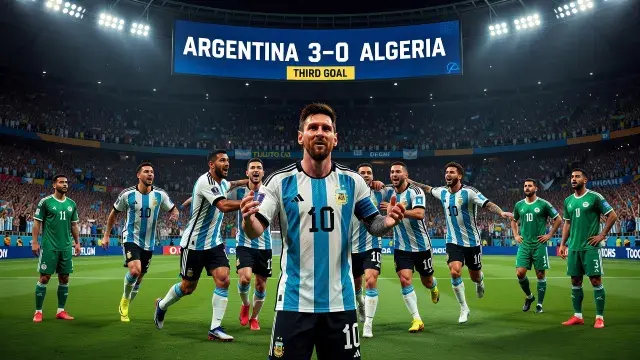
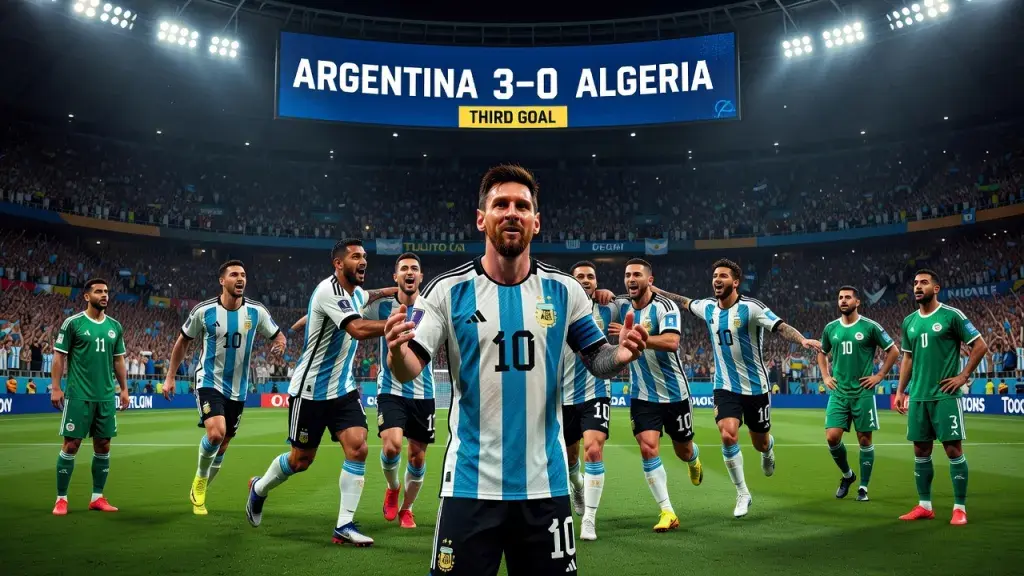
Lionel Messi silenced any lingering doubts about his relevance at the highest level with a commanding performance against Algeria, scoring the first hat-trick of his World Cup career at 38 years old. Playing in a World Cup as a defending champion for the first time, following Argentina's triumph in Qatar four years ago, the captain rose to the occasion with the kind of display that has defined his career. It was a statement of intent from both the man and the team.
Sharp from the opening whistle, Messi controlled the tempo of the match and led Argentina's attack with authority that belied his age. His movement, his decision-making, and his composure in front of goal were all hallmarks of a player at the peak of his powers, even if the calendar insists otherwise. It is the sort of performance that invites comparison across sport - much like how cycling's spring classics consistently produce champions who defy expectation, in the way that followers of the amstel gold race 2026 will attest when veterans and favourites collide on the cobbles. Messi, in his own discipline, remains that rare force who commands the stage regardless of what the competition demands.
Beyond the football, the occasion carried a deeper emotional charge. Messi was visibly in tears after opening the scoring, a reaction that turned heads and prompted immediate speculation. After the match, however, the Argentina captain was candid about what lay behind it. "Yes, I cried after my first goal… it was for something completely unrelated to football. I went through some difficult days, but I'm grateful to the entire delegation and my teammates because they were always by my side, giving me a lot of strength to help me get through it," he said, collecting the Player of the Match award. The remark was brief but striking - a reminder that even the most decorated footballer in the history of the game carries private weight into public moments.
A Milestone That Reframes the Narrative
The hat-trick is significant beyond the scoreline. Messi has scored in World Cups at multiple editions over nearly two decades, yet the perfect three-goal performance in a single match had eluded him until now. That it arrived at 38, no longer playing in European club football, gives the moment an extra layer of meaning. Critics who suggested his move away from Europe would diminish his international impact have been answered emphatically. Messi is not winding down. He is competing.
Argentina enter the tournament as holders, which brings its own pressures. Defending a World Cup title is one of football's most demanding challenges - only a handful of nations have managed it in the competition's history. Scaloni's side will be tested progressively as the tournament advances, and opponents will study this Argentina team with defensive intent. But if Messi continues performing at this level, the burden of expectation falls squarely on the opposition to stop him rather than on him to prove himself. That is a significant psychological advantage for the defending champions.
What This Means for the Tournament
The message to every other team at this World Cup is clear. Argentina remain organised, dangerous, and anchored by the one player in the modern game capable of deciding a tournament on his own. Messi's form, his hunger, and his emotional investment in this campaign all point to a squad that is not simply present to defend a crown - they intend to keep it. For fans in Brazil, across Africa, and throughout the Indian subcontinent, where Messi commands enormous followings, this performance will have confirmed what many already believed: the greatest of his generation still has something left to say.